


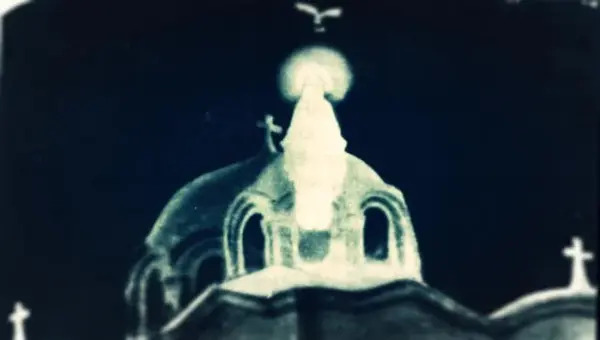
Known as one of the most singular religious episodes of the twentieth century, the case of Our Lady of Zeitoun refers to a series of Marian apparitions that are said to have occurred above the Coptic Orthodox Church of Saint Mary, in the Zeitoun district of Cairo, Egypt. Beginning in April 1968, these luminous manifestations, interpreted by many as the figure of the Virgin Mary, are said to have repeated intermittently until 1971. The phenomenon attracted attention not only because of its duration and the number of witnesses, but also because it was observed by people of different religions, including Christians, Muslims, and Jews, as well as authorities, diplomats, journalists, scientists, and skeptics. Officially recognized by the Coptic Orthodox Church, the case remains to this day an object of devotion, religious debate, and academic analysis.
The case of Our Lady of Zeitoun
The first official report occurred on the night of April 2, 1968. On that occasion, Mohamed Farouk Atwa, a Muslim bus mechanic who worked in front of the Coptic Church of Saint Mary, stated that he saw a woman dressed in white on the roof of the building.
Fearing that it might be someone about to jump, he alerted nearby passersby. At least two other people reported the same luminous silhouette, which led to the police being called.

Upon arriving at the scene, authorities observed an intense glow over the church dome. The initial explanation was that it was caused by reflections from street lighting or vehicles, but attempts to disperse the onlookers were unsuccessful. In a short time, a crowd gathered, and many began to identify the figure as a manifestation of the Virgin Mary.
In the days and weeks that followed, new reports emerged. Christian and Muslim witnesses claimed to see a luminous female figure, sometimes accompanied by lights in the shape of doves, intense flashes, or glowing halos that seemed to move over the church. On April 9, 1968, a more prolonged apparition was reportedly observed by thousands of people, consolidating Zeitoun as a pilgrimage site.

According to recurring accounts, the phenomena began to occur two to three times per week, irregularly, continuing until 1971. For Coptic believers, the site also holds additional symbolic significance.
The tradition of the Coptic Church maintains that Zeitoun would be located in one of the areas through which the Holy Family passed during the Flight into Egypt, as narrated in apocryphal gospels and Eastern Christian tradition.
Ecclesiastical investigations and recognition
In view of the national and international repercussion, the then Pope of the Coptic Orthodox Church, Cyril VI of Alexandria, instituted an official commission to investigate the events. The commission was chaired by Bishop Gregory, known for his theological and academic background.
After weeks of observation and the collection of testimonies, Cyril VI issued an official statement on May 4, 1968, affirming that the phenomena observed in Zeitoun were authentic and compatible with a Marian apparition according to Coptic tradition. The following day, May 5, the confirmation was reiterated publicly.
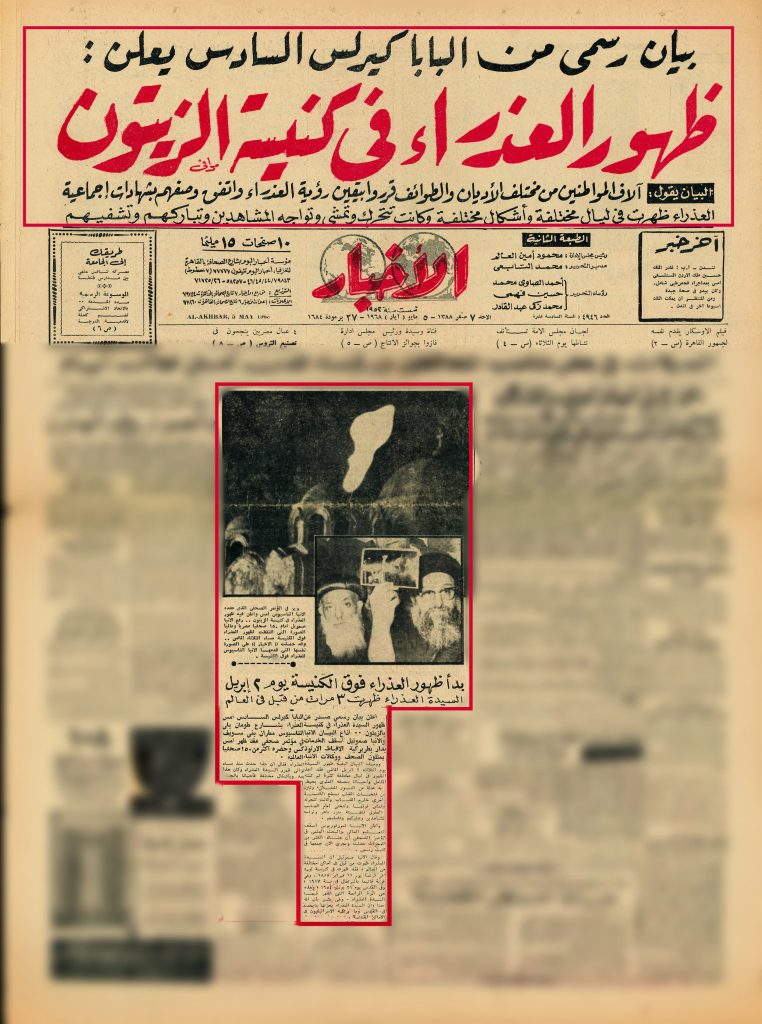
Religious sisters of the Society of the Sacred Heart of Jesus, present in Egypt at the time, stated that they had witnessed the lights and sent reports to the Vatican. A papal representative traveled to Zeitoun on April 28, 1968, declared that he had observed the phenomenon, and forwarded his impressions to Pope Paul VI.
As the site fell under the jurisdiction of the Coptic Orthodox Church, the Holy See did not conduct its own canonical process, limiting itself to registering the case and respecting the Coptic decision.
There are also popular accounts, not conclusively documented, that the then President of Egypt, Gamal Abdel Nasser, witnessed one of the apparitions, which may have contributed to the government not interfering with the popular gatherings around the church.
Skepticism and alternative interpretations
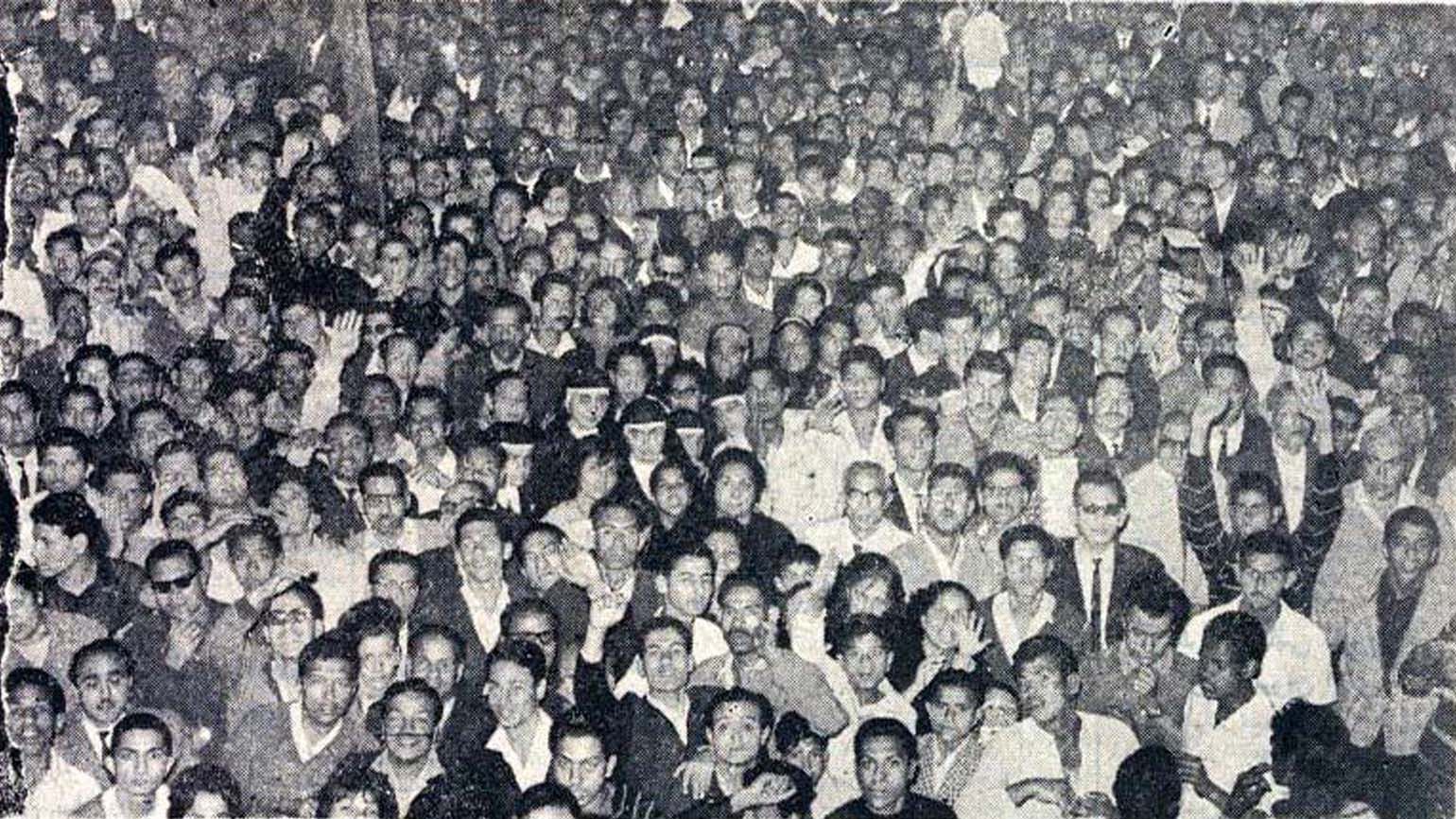
Estimates of the total number of witnesses vary widely. Religious publications speak of millions of people over three years, while more conservative estimates point to about 250,000 individuals who may have been present at some point between 1968 and 1971.

Anthropologist Cynthia Nelson, of the American University in Cairo, visited Zeitoun on several occasions between April and June 1968. In her academic accounts, she stated that she observed only luminous reflections and optical effects, although she documented numerous testimonies from believers convinced that they had seen the Virgin Mary. She also highlighted the strong social and psychological impact of the phenomenon on the local population.
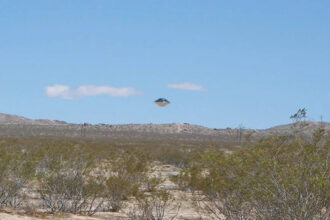
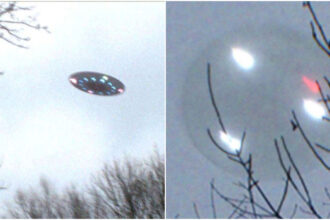
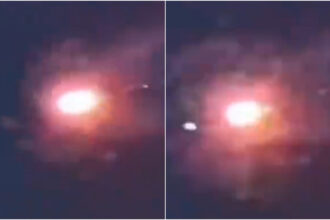
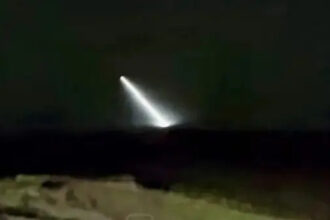
Another point frequently raised by critics is the scarcity of clear photographic records, considered disproportionate given the number of witnesses. The existing images are grainy and ambiguous, which makes conclusive technical analysis difficult.
Some scholars interpret the case within the historical context of Egypt’s defeat in the Six-Day War in 1967. According to this view, the apparitions emerged during a period of national and spiritual crisis, when segments of the population began to associate military setbacks with a distancing from religious values, favoring supernatural interpretations of unusual phenomena.
Sociologists Robert Bartholomew and Erich Goode classify Zeitoun as an example of collective hysteria, arguing that religious expectations, combined with real but undefined luminous stimuli, led large groups to interpret what they saw as Marian manifestations.
Researcher Donald Westbrook notes that the Zeitoun case differs from classic models of apparitions recognized by the Catholic Church. The first sighting is said to have been made by Muslims, in front of large crowds, and without verbal messages attributed to the apparition. For him, these characteristics help explain why the episode has received relatively little systematic academic attention outside Egypt.
Golden jubilee
Between May 10 and 13, 2018, the Coptic Orthodox Church celebrated the fiftieth anniversary of the alleged apparitions of Our Lady of Zeitoun. The commemorations included solemn liturgies, processions, vigils, and religious events that brought together faithful from Egypt and abroad, reaffirming Zeitoun’s place as one of the most important centers of Marian devotion in contemporary Eastern Christianity.
Below, see other images of the event.